Old Toy: A Vintage Script Font
There I was, staring at a blank brand board, trying to find the right tone for a small boutique that sells handmade soaps and lotions. The client wanted something warm, authentic, and a little nostalgic. That’s when I reached for Old Toy, a bold script font with a vintage style that felt just right.
What Is Old Toy?
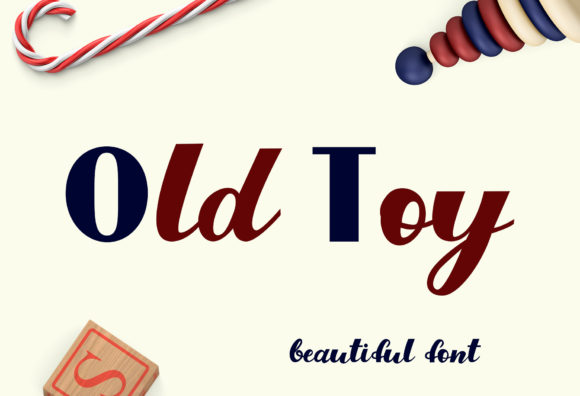
Old Toy is a script font designed with a vintage aesthetic. It has a handcrafted feel, with subtle flourishes and a slightly irregular shape that gives it character. The font feels like it was written with a pen on old paper, making it ideal for projects that need a personal touch or a retro vibe.
Its personality is playful yet refined, making it suitable for brands that want to stand out without being too flashy. The font’s mood is friendly and approachable, which can help build trust with customers who value authenticity.
Testing Old Toy in Real Projects
I tested Old Toy on a logo concept, and it immediately caught my eye. The swashes and ligatures gave the text a unique rhythm that made it feel more like an artwork than just a typeface. When paired with a simple sans serif for the tagline, it created a balanced composition that felt both modern and timeless.
On a packaging mockup, Old Toy worked well as a headline. It added visual interest without overwhelming the design. I noticed that it looked best when used sparingly—too much of it could make the design feel cluttered.
For a social media layout, Old Toy made a strong statement. On an Instagram post, it stood out against a plain background, drawing attention to the message. It also worked well in a website header, where it added a sense of personality to the overall design.
Strengths and Limitations
Old Toy excels as a display or headline font. Its bold strokes and intricate details make it perfect for logos, titles, and other short phrases. It’s not meant for long paragraphs, though. In smaller sizes or when used in body text, the font can become difficult to read.
It’s also important to note that Old Toy may not be the best choice for formal or corporate branding. Its casual, handwritten look might not convey the professionalism required for certain industries. However, for creative, artisanal, or lifestyle brands, it can be a powerful tool.
When used in print, such as on business cards or posters, Old Toy holds up well. But I found that it works best when paired with a clean, neutral typeface. This helps maintain visual hierarchy and ensures that the message remains clear.
Font Pairing and Design Applications
Pairing Old Toy with a serif font can create a classic, elegant look. For example, using it alongside a traditional serif like Georgia or Baskerville can add depth and contrast to a design. With a sans serif, like Helvetica or Futura, it creates a modern twist that still feels grounded.
Old Toy also pairs well with other script fonts, especially those with similar characteristics. However, it’s best to avoid overly ornate scripts, as they can clash with its more restrained style.
In editorial design, Old Toy can be used to highlight key points or add visual flair to headings. It’s great for magazine covers, book titles, or event flyers where a bit of personality is needed.
Practical Tips for Using Old Toy
If you’re considering using Old Toy in your next project, test it thoroughly. Try it on different backgrounds, in various sizes, and with different color schemes. This will help you understand how it performs in real-world scenarios.
Check the font’s available styles, alternates, and ligatures. These features can enhance the font’s versatility and allow for more creative expression. Also, make sure to review the licensing terms before using it in commercial work.
Old Toy is available in multiple file formats, including OTF and TTF, and it supports webfont use. This makes it accessible for both print and digital projects.
For small businesses or independent designers, Old Toy can be a valuable addition to your typography toolkit. It’s especially useful for brands that want to express creativity, nostalgia, or a personal connection with their audience.